
Buyer’s guide · 2026
AI Backyard Design App: The 2026 Guide
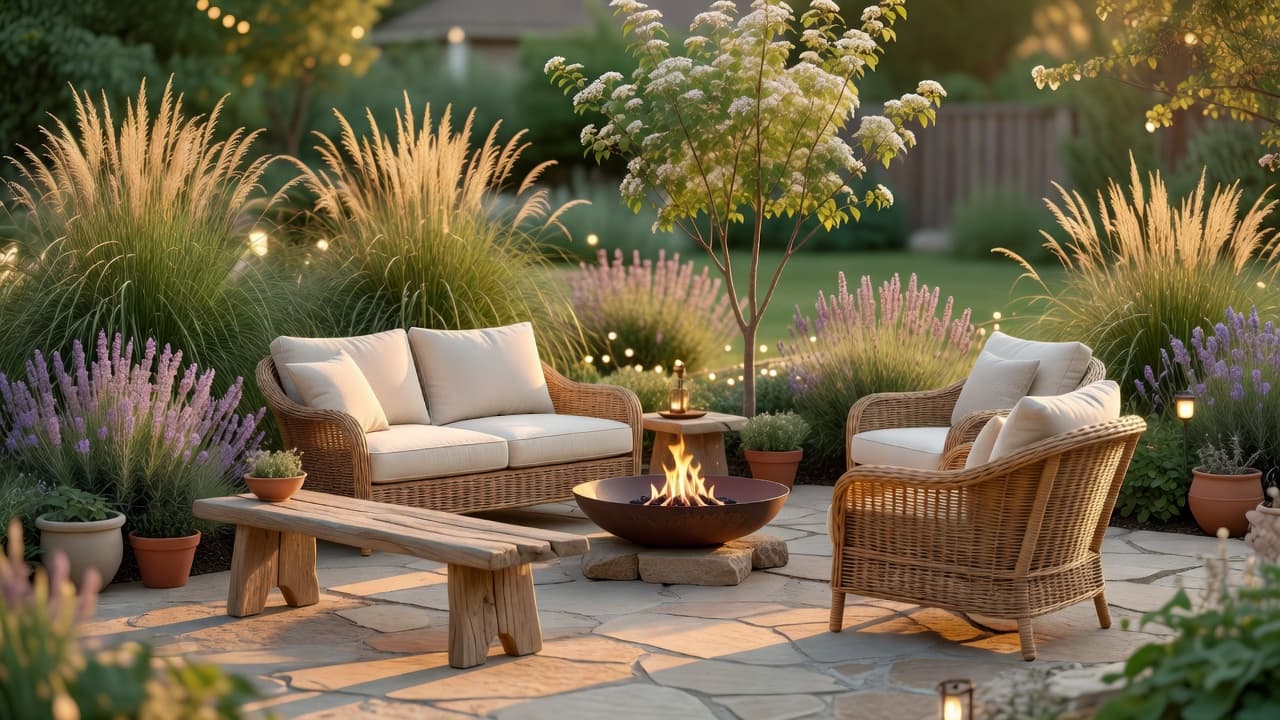
An AI backyard design app turns one photo of your yard into a photorealistic redesign of that same space — replanted, re-paved and reimagined in a style you choose, usually in under ten seconds. In 2026 this is the fastest, cheapest way to see what your backyard could become before you spend a dollar on plants, paving or a contractor. This guide explains, in plain English, how an AI backyard design app works, what separates a useful one from a gimmick, what a real backyard makeover costs this year, and how to get a design you can actually build from.
AI Garden Design GuidesPublished June 17, 2026Updated June 17, 20269 min read
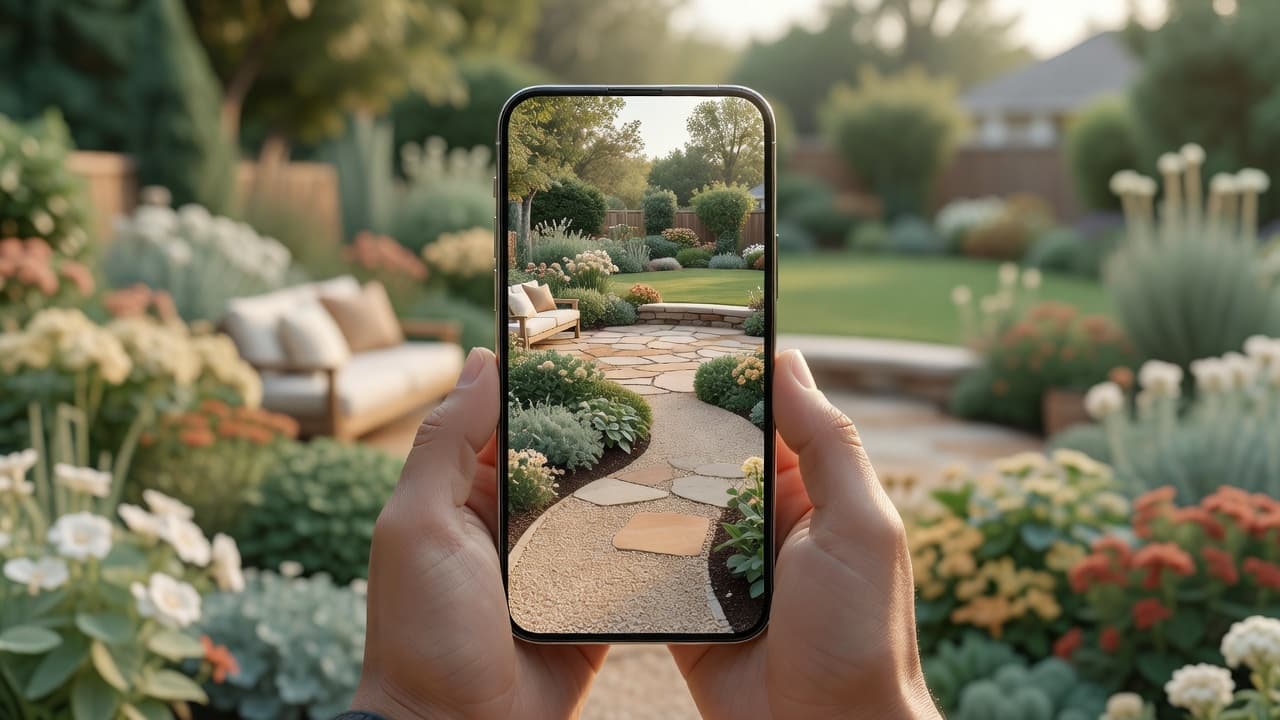
What an AI backyard design app actually does
The idea is refreshingly simple. You open the app, take or pick one photo of your backyard, choose a style, and a few seconds later you are looking at your own space transformed. There is no CAD, no graph paper and no design training involved. If the whole concept is new to you, our plain-English explainer of AI garden design is the gentlest starting point, and the full AI garden design guide walks through a complete redesign with real before-and-after photos.
The word that matters is your. A weak app shows you a beautiful backyard that belongs to someone else; a strong one shows you your backyard, looking better, so the picture is genuinely useful when you start digging, buying plants or briefing a landscaper. FlorAI was built around exactly that, with a free tier, so you can see your own yard reimagined before deciding whether it is worth paying for.
Why redesign your backyard from a photo
An AI backyard design app is only ever as good as the photo you feed it — and that single photo is also its biggest advantage. Designing from a real picture of your yard means you are always editing the space you actually have, with its real fence, shed, slope and main tree, rather than an idealised plan on a blank page. That is what makes the result usable rather than merely pretty. A few reasons the photo-first approach works so well for backyards:
- It starts from reality. Your boundaries, levels and existing trees are right there in the photo, so the redesign respects the space you have instead of inventing a new one.
- It is instant and free to explore. You can try a cottage planting scheme, a modern outdoor room and a low-water gravel garden on the same yard in a couple of minutes, at no cost.
- It removes the guesswork. Seeing the finished feeling in advance is the difference between committing with confidence and hoping it works out.
- It travels with you. Stand in the backyard, point your phone, and see the redesign on the same spot — then share it straight to a partner or contractor.
- It works in any season. Most people already have months of yard photos on their phone, so you can redesign a summer border in the depths of winter.
If you are weighing this against starting from a blank plan, our guide to designing from a photo versus from scratch explains why the photo route is almost always the better place to begin for a real backyard.
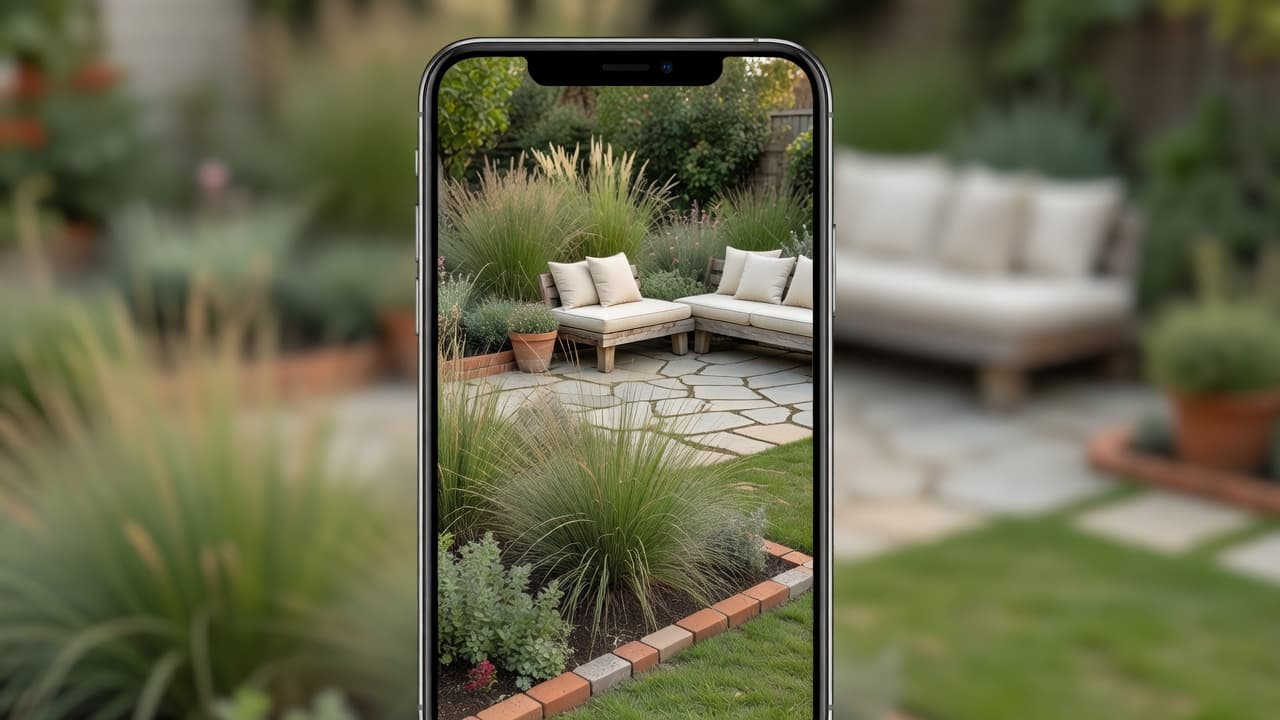
How to design your backyard step by step
The first redesign takes about a minute. The process is the same whether you are reworking a small courtyard, a sprawling lawn or a tired patio:
- Take or choose one photo. Stand where you usually look at the yard — the back door or kitchen window — and capture the whole space in soft daylight.
- Pick a style. Modern, cottage, Mediterranean, Japanese-inspired or low-maintenance — choose the mood you are drawn to, then try a second one for contrast.
- Let the app redesign it. In a few seconds you will see your own backyard replanted and reimagined in that style, usually with the planting named.
- Refine and try variations. Swap the style, ask for more paving or more planting, and compare the options side by side.
- Save and plan. Keep your favourites, line the before and after together, and decide what to build first and what can wait.
Because the app works from a photo rather than a blank plan, you are always editing your real space, not an idealised one — which is exactly why the output is something you can take to a garden centre or a contractor.
What to look for in an AI backyard design app
Not every app earns a place on your home screen. Before you trust one with your backyard, run through a few quick checks:
- Does it redesign your own photo? Your fence, shed and main tree should still be recognisable in the result. If it quietly swaps in a stock backyard, the picture is useless.
- Does it name real plants? Look for plants you could write on a shopping list — lavender, ornamental grasses, hydrangea, agave — not just a green haze.
- Does it consider where you live? Climate-aware planting is the difference between a pretty picture and a plan that will actually survive your winters and summers.
- Is it well kept and honest? Recent updates, a clear privacy policy and honest reviews matter more than a long feature list.
- Is the free tier real? You should see clear, un-watermarked results and be able to try more than one style before any paywall.
An app that passes all five is worth keeping even if you never pay; one that fails two or three is worth deleting, however slick it looked. For a deeper version of this test, our checklist of what to look for in an AI garden design app turns it into a simple tick-box, and the 2026 buyer’s guide to AI garden design tools covers the features that separate a useful tool from a gimmick.
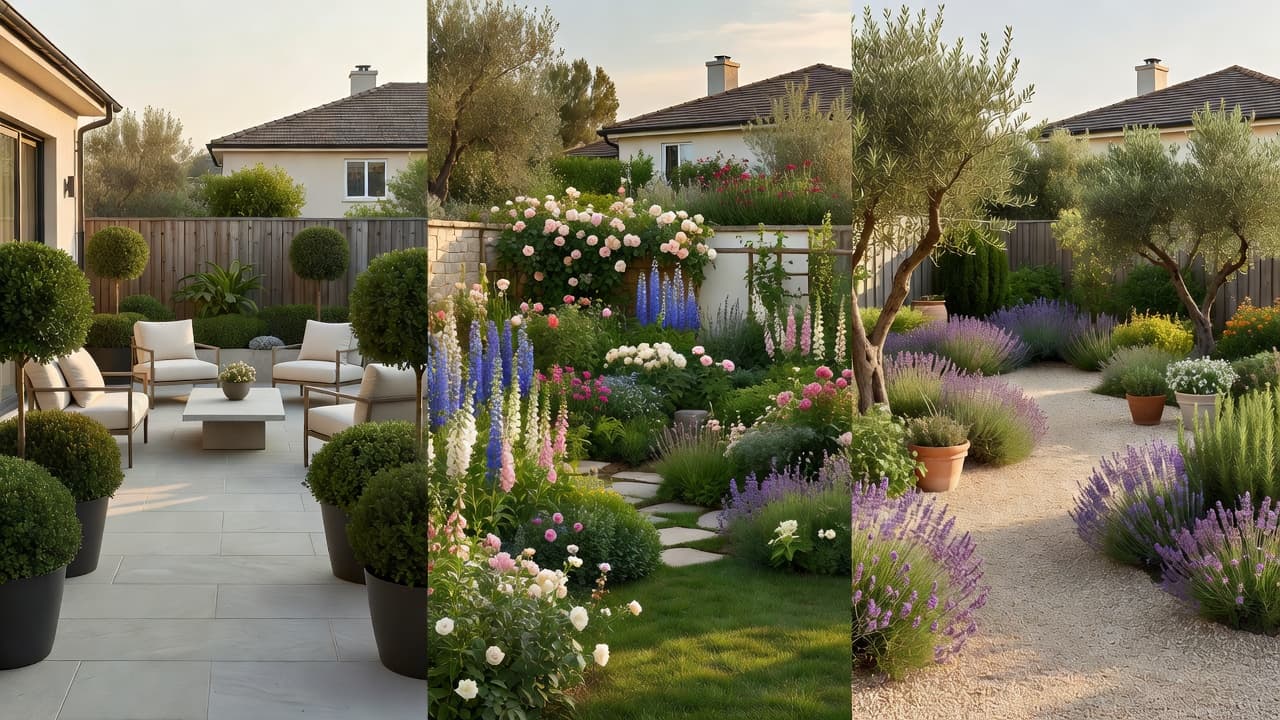
Backyard design ideas the AI can help you try in 2026
The real value of an AI backyard design app is that it lets you test the year’s best ideas on your own yard before committing. In 2026 the strongest backyard trends are practical as well as beautiful — most of them save water, time or money. Worth trying on your photo:
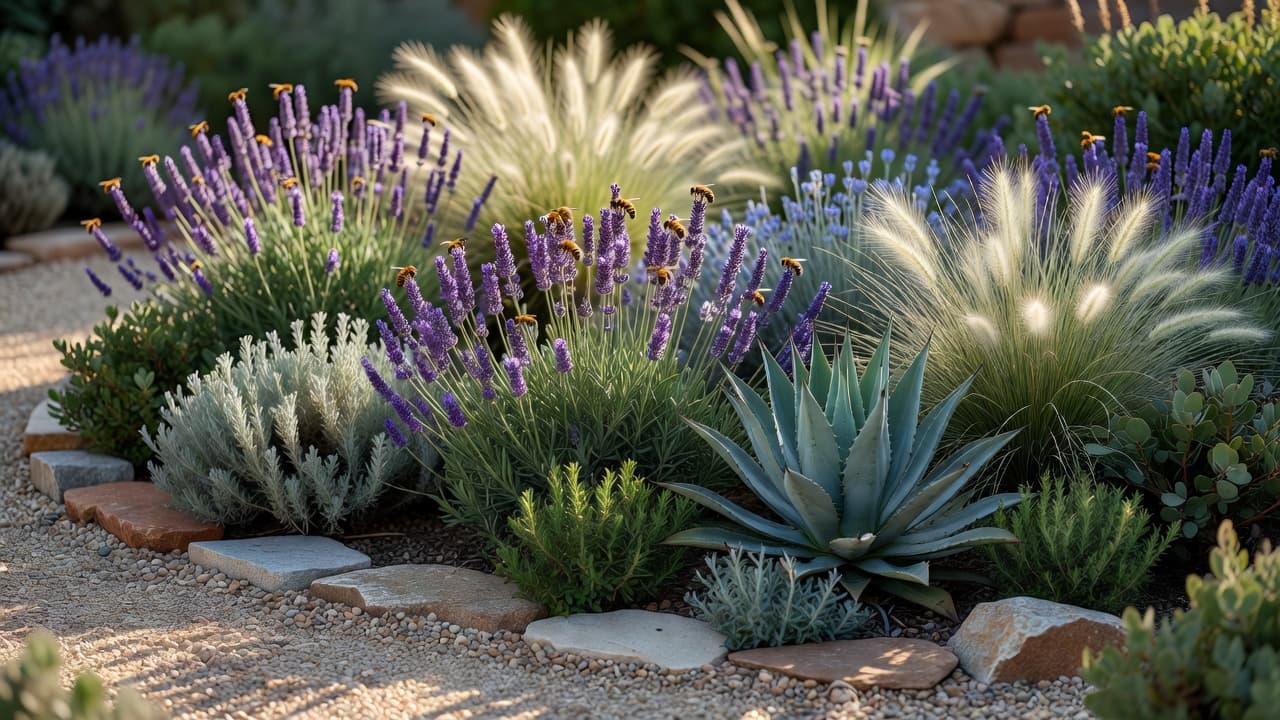
- Low-water, drought-tolerant planting. Native and drought-tolerant schemes that layer ornamental grasses, lavender, agave and small shrubs are the defining backyard trend of 2026 — handsome, resilient and far less thirsty than a lawn.
- The backyard as an outdoor room. Defined seating, dining and cooking zones turn a yard into usable living space; ask the app to add a patio, a pergola or a quiet corner and see how it sits.
- Rain gardens and permeable paving. Gravel, permeable pavers and a planted rain garden let storm water soak away naturally instead of running off — increasingly central to climate-smart design.
- Richer, deeper colour. Designers are moving from muted pastels to dark emeralds, burgundies and deep purples in foliage and flowers, which read beautifully in harsh summer light.
- Smart, efficient watering. Drip irrigation delivered to the roots can cut water use dramatically versus traditional sprinklers — pair the look with the plumbing once the design is settled.
You do not have to pick one. Try each idea as a separate redesign of the same photo, then borrow the parts you like into a single plan. For a sense of where the budget goes next, the 2026 garden design cost guide sets sensible expectations.
What a backyard makeover costs in 2026 — free app vs the build
The app itself should cost little or nothing. Most good ones give you a real free tier — a set number of designs each month, enough to redesign your backyard and try a few styles — with paid plans only if you want unlimited runs. That is usually plenty for a one-off project, and it is a tiny fraction of what the physical work costs.
The build is where the money goes. In the United States in 2026, a full backyard renovation typically runs between $15,000 and $50,000, against roughly $1,500 to $5,000 for a front yard, with manual landscaping commonly priced at about $5 to $40 per square foot depending on materials and complexity. Seeing the finished design first is exactly how you avoid paying twice for changes of mind.
Climate awareness is the feature worth paying attention to, because it protects that spend. A backyard that cannot survive your winter is not a design but a disappointment waiting to happen — and the goalposts are moving. In November 2023 the USDA updated its Plant Hardiness Zone Map for the first time since 2012, using 1991–2020 data from 13,412 weather stations; the new map is about 2.5°F warmer on average, shifting roughly half of the United States into the next warmer half-zone. An app that weighs your location is doing real work, not decoration. The honest order is to explore for free first, settle the look on your own photo, and only then spend money — the honest guide to free AI garden design apps explains how to tell a genuine free tier from a teaser.
Where an app stops and a landscaper begins
An honest guide names the limits. Even the best AI backyard design app is a brilliant way to decide what you want, not a replacement for skilled hands when the ground gets complicated. Steep slopes, retaining walls, drainage, decks, boundaries and anything structural still want a real landscaper or garden designer. Treat the planting suggestions as a strong starting point and confirm anything unusual against your own climate — you can look up any unfamiliar plant on the RHS or Gardeners’ World, and check water-wise approaches against neutral references like xeriscaping before you buy.
Used that way, an AI backyard design app is among the most reassuring tools you will reach for this year: it removes the guesswork, shows you the finished feeling in advance, and means the first real spade goes in with confidence rather than hope.
Frequently asked questions
What is the best AI backyard design app?
The best one redesigns your own photo (not a stock backyard), names real plants, considers your climate, and offers an honest free tier. FlorAI meets that bar with a free plan, so you can judge it on your own yard before paying.
Is there a free AI backyard design app?
Yes. The honest ones offer a real free tier — a set number of designs each month, enough to redesign your backyard and try a few styles. FlorAI has a free plan, with paid plans only if you want unlimited designs.
How does an AI backyard design app work?
You take or upload one photo of your backyard, choose a style, and the app returns a photorealistic redesign of that same space in a few seconds — new planting, paving and seating — usually with the plants named so you can build from it.
Do I need design skills or measurements?
No. If you can take a photo on your phone, you can use an AI backyard design app. There is no measuring, no CAD and no desktop software to install.
How much does a backyard makeover cost in 2026?
The app is usually free or low-cost. The physical build is the real expense: in the US in 2026 a full backyard renovation typically runs $15,000–$50,000, or about $5–$40 per square foot, which is exactly why it pays to settle the design on a photo first.
Can an app replace a landscaper?
For an ordinary backyard it gets you most of the way and costs little or nothing. For slopes, drainage, decks, retaining walls or anything structural you still want a professional — use the app to decide the look first, then hand your favourite design over.
Last updated: June 2026. Written by the FlorAI garden team.