
Pet Gardens · 2026 guide
Pet Friendly Garden Design: A Practical 2026 Guide
Pet friendly garden design means securing the garden with gap-free fencing, zoning a dog's play and digging space away from a cat's climbing trees and any toxic planting, and choosing a lawn, mulch and hardscape that hold up to daily paws rather than picking materials for looks alone. It is not about giving up on planting altogether — a well-planned pet garden can still have full borders, provided the highest-risk plants stay out and boundaries are secure. This guide covers zoning a garden for dogs, cats and small pets, which common plants are toxic and which are safe, the best lawn and mulch for a dog, safe water features, and real 2026 costs.
AI Garden Design GuidesPublished August 6, 2026Updated August 6, 202610 min read
What is pet friendly garden design?
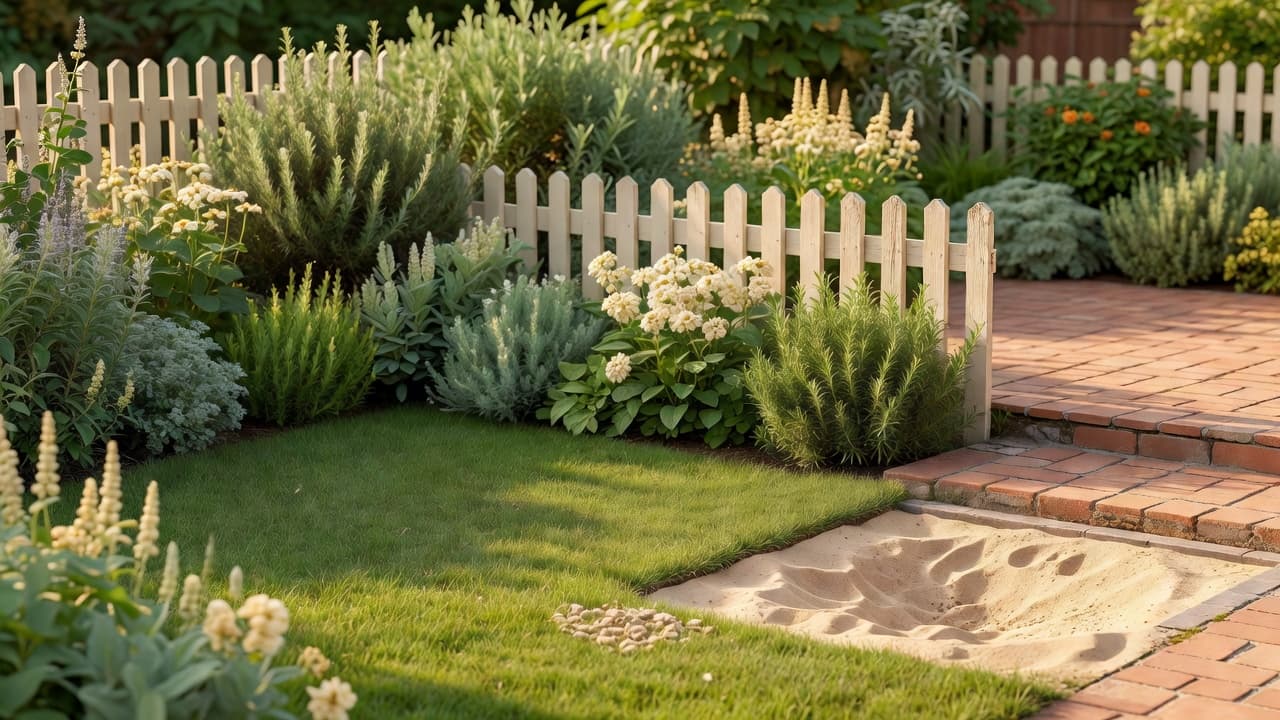
The goal is a garden that still looks and functions like a real garden rather than a bare run, while removing the handful of genuine hazards — certain plants, certain mulches, unfenced boundaries and unfenced water — that cause almost all pet garden injuries. That comes down to three habits: securing the perimeter properly, checking every plant against a known toxic list before it goes in the ground, and choosing surfaces built to take repeated digging, running and toileting. Our AI garden design guide covers the wider layout principles this approach builds on.
How do you zone a garden for dogs, cats and other pets?
The RHS, working with show garden designers and the RSPCA, sets out zoning advice that differs by animal rather than treating every pet the same. A few habits cover most gardens:
- Fence and hedge the entire perimeter with no gaps a pet can squeeze through — the RHS flags this as the single most important step, since an unsecured boundary is the most common way pets go missing.
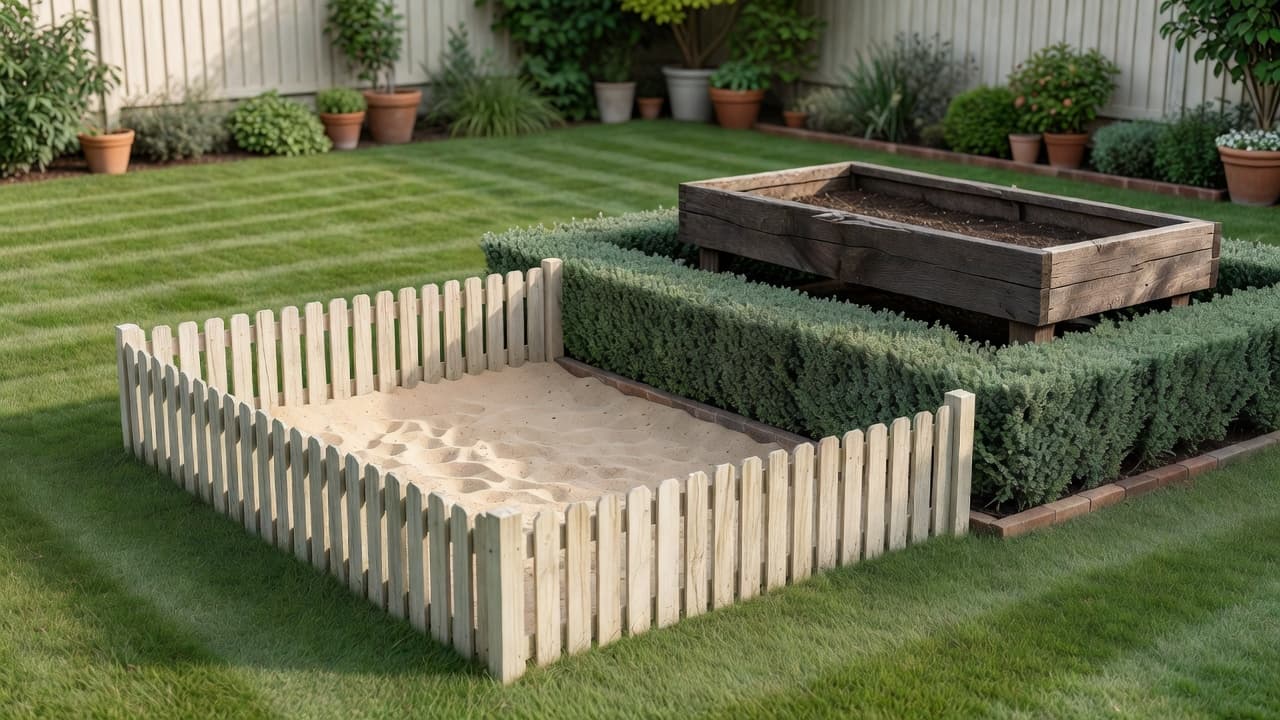
- Give dogs a designated digging area, such as a sandpit or a loose-soil bed, so natural digging behaviour has somewhere to go instead of the lawn or borders — the RSPCA recommends this specifically for dogs.
- Give cats a tree or robust climbing frame to scratch and climb, which the RSPCA also recommends, and which keeps claws off ornamental planting and furniture.
- Attach a large exercise run to a hutch or shelter for rabbits and guinea pigs rather than relying on a single open session of supervised time, per RSPCA guidance.
- Use hedging, raised beds or a low fence to protect a planted area from a pet zone entirely, rather than trying to train a pet to avoid specific plants within an open bed.
Which garden plants are toxic to dogs and cats?
Most pets are not directly interested in eating plants, but puppies, kittens and any pet prone to chewing are the highest risk, and a small number of common garden plants are genuinely dangerous. The ASPCA's toxic and non-toxic plant list and the RHS checklist of potentially harmful plants both flag the same repeat offenders:
- Lilies (Lilium) — cause irreversible kidney failure in cats from any contact, including pollen on fur or paws that is later licked off; among the most dangerous plants for cats specifically.
- Sago palm (Cycas revoluta) — every part is toxic, and it can cause liver failure and death in dogs even in small amounts.
- Azaleas and rhododendrons — cause neurological symptoms and changes to heart rate and rhythm if eaten.
- Oleander (Nerium oleander) — a frost-tender shrub sometimes grown in mild coastal gardens; causes serious heart rhythm changes.
- Autumn crocus (Colchicum) — can cause multi-organ failure that develops over two to five days after ingestion.
- Monkshood (Aconitum) — among the UK's most poisonous garden plants for pets and people alike.
- Foxglove (Digitalis) and yew (Taxus) — cottage-garden and hedging favourites that are toxic to both dogs and cats if eaten.
- Daffodil and tulip bulbs — cause stomach upset and, if a large chunk is swallowed, intestinal blockage.
- Daylilies (Hemerocallis) — especially dangerous for cats, unlike most true lilies' relatives.
- Onion-family plants — garlic, onions and chives are best grown in a pet-fenced vegetable bed rather than an open border.
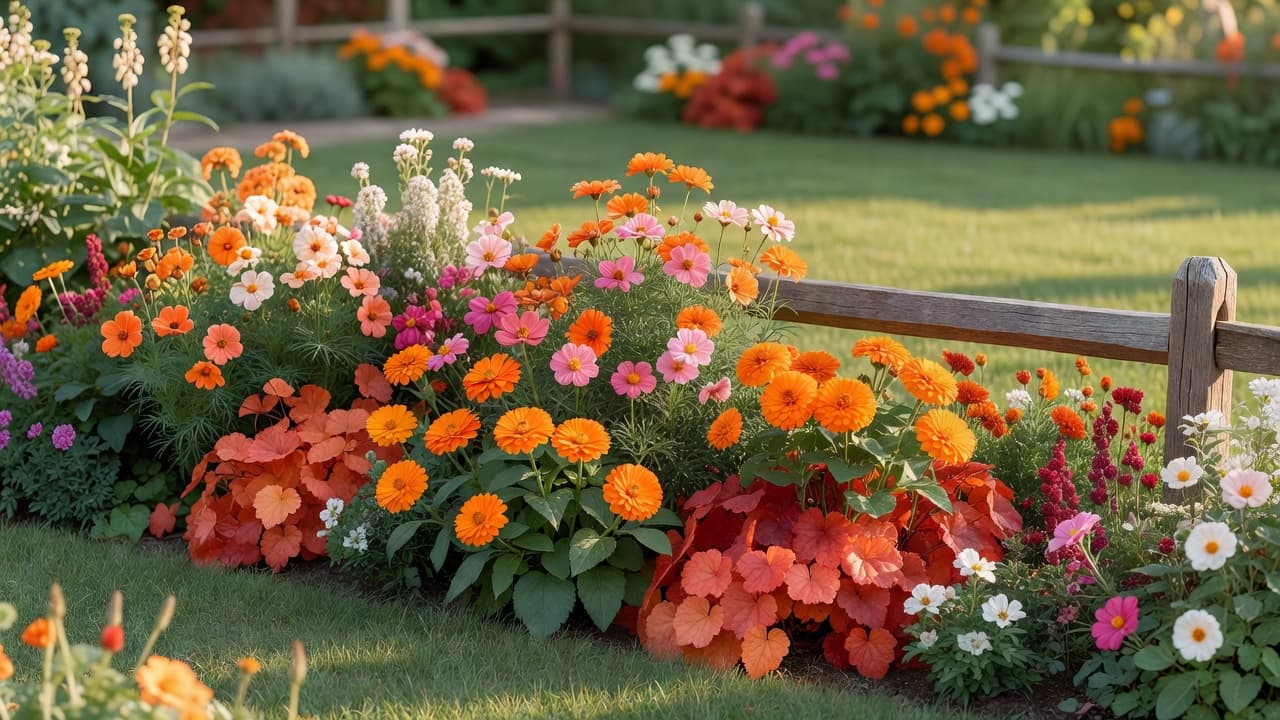
If a pet is showing symptoms after possible contact with any of these, contact a vet immediately; the ASPCA Animal Poison Control Center also runs a 24-hour hotline. Plenty of reliably pet-safe options exist for a full-looking border instead: cosmos, nasturtiums, calendula, coral bells (Heuchera), bee balm (Monarda) and asters are all commonly recommended pet-safe garden plants that still give color and structure through the season. For families weighing both child and pet safety in the same border, our family friendly garden design guide covers the overlapping list of plants to avoid around children too.
What is the best lawn for a dog?
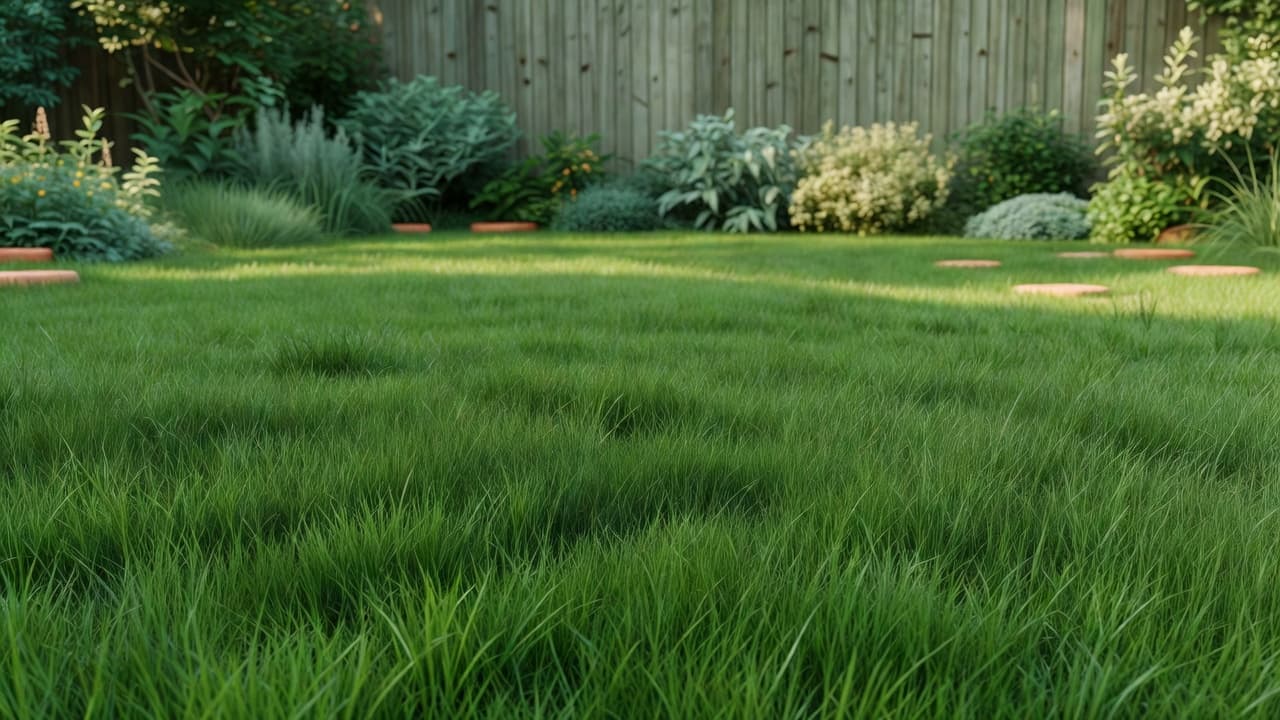
Ordinary fine, ornamental lawn seed thins and yellows fast under a dog's daily running, digging and toileting. A genuinely dog-tolerant lawn either uses a tougher seed mix or swaps grass for a surface built for repeated wear and concentrated urine, which damages grass through excess nitrogen and salts:
- Tall fescue is the most urine- and wear-resistant cool-climate lawn grass, followed by fine fescue and perennial ryegrass, all of which recover from damage far better than ornamental seed mixes.
- Bermuda grass and zoysia are the standout choices for warmer climates, tolerating the nitrogen and salts in dog urine better than most other warm-season grasses.
- Clover is an increasingly popular lawn alternative for pet owners — it is urine-resistant, fixes its own nitrogen, feels soft underpaw, and is non-toxic if a dog or cat chews it.
- Pet-specific artificial turf removes urine damage and mud entirely; 2026 installed pricing runs roughly $8–18 per square foot depending on drainage backing and antimicrobial infill, with a realistic mid-range around $12–16 per square foot and a premium of about $2–4 per square foot over standard landscaping turf for the pet-grade backing.
- Diluting a urine spot with water within a few minutes of a dog toileting is one of the simplest ways to reduce nitrogen burn on a natural lawn, whatever grass type is used.
What mulch and hardscape materials should you avoid with pets?
A handful of common landscaping materials are worth avoiding once a dog or cat has regular access to a garden:
- Cocoa bean mulch contains theobromine and caffeine, the same compounds that make chocolate toxic to dogs, and can cause vomiting, a fast heart rate and tremors if a dog eats enough of it; poison control centers recommend avoiding it around unsupervised or indiscriminate-eating dogs.
- Pine bark, cedar mulch or straw are safer, widely available alternatives that give the same weed suppression and moisture retention without the chocolate-like toxins.
- Sharp-edged gravel or freshly crushed aggregate can cut a dog's or cat's paw pads; rounded pea gravel or smooth pavers are a safer choice for paths a pet will use daily.
- Cocoa shell and sharp mulch are best kept out of a dog's digging pit entirely — line a designated digging area with soft, washed sand or loose topsoil instead, which is both safe and easy to keep clean.
Can you have a garden pond or water feature with pets?
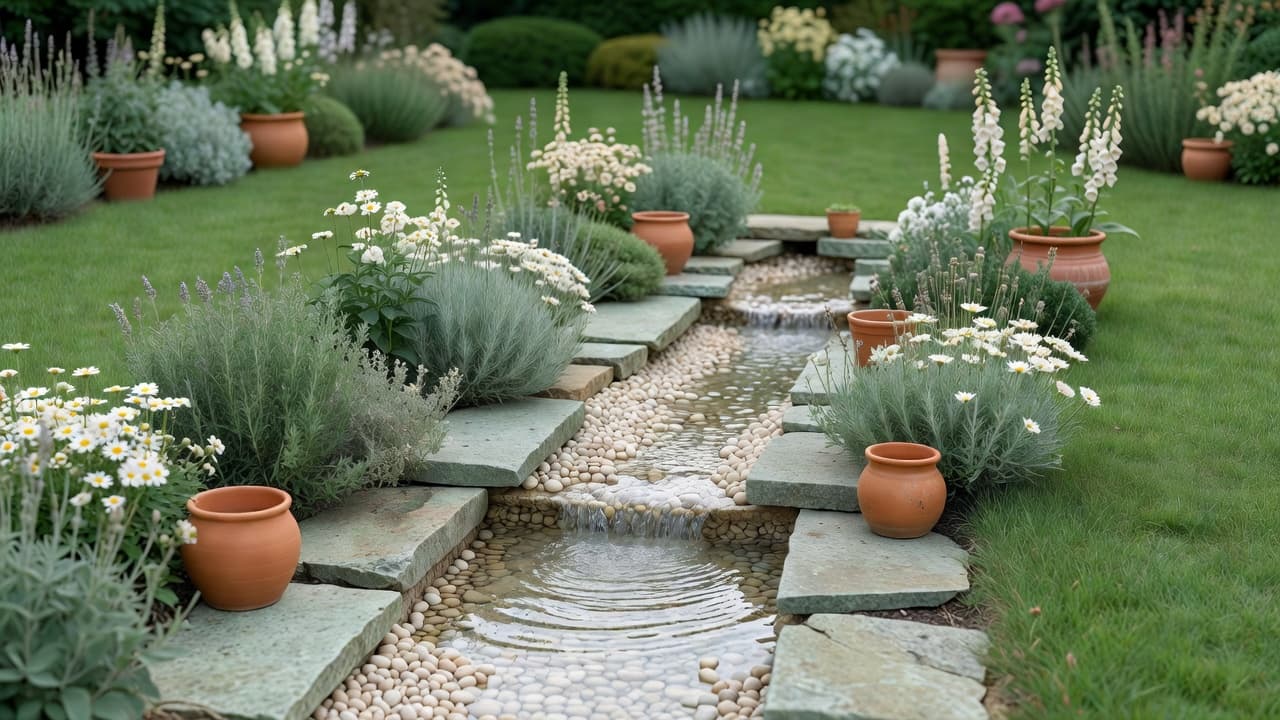
RHS show garden designer Paul Hervey-Brookes, who built a dedicated dog-friendly show garden for the RHS and Dogs Trust, rates shallow water as one of the three most valuable features in a pet garden — a long, shallow rill for drinking and splashing gives dogs somewhere safe to cool off and also benefits garden wildlife like birds and hedgehogs. A few habits keep any water feature pet-safe:
- Keep the accessible section shallow — a rill or splash pad a dog can stand in is safer than a steep-sided pond it could fall into and struggle to climb out of.
- Keep water moving or change it regularly, since stagnant standing water can develop blue-green algae blooms that are toxic if a dog drinks from or swims in affected water.
- Always provide a separate, easily reached bowl of fresh water near the play area so a pet is not relying on a pond or rill as its main drinking source.
How do you design a garden for cats and small pets as well as dogs?
A cat's needs in a garden are different from a dog's, and the two can usually share a space if the design accounts for both. Tall grasses and shrub gaps double as hiding spots and hunting cover for a cat, while boulders, log piles and low walls give height for climbing and sunbathing. Paul Hervey-Brookes' other top recommendation for dogs — dens and hiding spots among planting — serves the same purpose for both species: somewhere to retreat that isn't just an open lawn. He also suggests planting fruit and vegetables a dog can safely eat, like raspberries, which our vegetable garden planner guide covers for laying out a productive, pet-safe edible bed. In a compact garden, zoning for multiple pets alongside people gets harder simply because there is less room to separate a digging pit, a cat run and a seating area — our small backyard design ideas guide covers making the most of limited space without cutting any zone out entirely.
What does a pet friendly garden redesign cost in 2026?
Costs scale mainly with how much fencing, turf and hardscaping a project needs. Pet-grade artificial turf alone runs roughly $8–18 per fully installed square foot in 2026, so a typical 500 sq ft area comes to around $5,000–$10,000 once drainage and antimicrobial infill are included; a natural lawn reseed with a tougher fescue or clover mix costs a fraction of that. Fencing to secure a full perimeter, a dedicated digging pit and pet-safe replanting of an existing border are comparatively modest additions to a garden budget once the turf or lawn decision is made. Our full garden design on a budget guide breaks a wider redesign down further, including where pet-specific features fit into a phased plan.
Frequently asked questions about pet friendly garden design
What makes a garden design "pet friendly"?
Pet friendly garden design fully secures the garden's boundaries, zones a play or digging area away from toxic plants and any water feature, and uses lawn, mulch and hardscape materials that are safe and durable enough for daily use by dogs, cats or other pets.
What plants are toxic to dogs and cats?
The ASPCA and RHS both flag lilies, sago palm, azaleas, oleander, autumn crocus, monkshood, foxglove, yew, and daffodil or tulip bulbs among the most common toxic garden plants. Lilies are especially dangerous for cats, causing kidney failure from even minor contact.
What is the best lawn for a dog?
Tall fescue is the most urine- and wear-resistant cool-climate grass, with Bermuda grass and zoysia performing best in warmer climates. Clover is a popular non-toxic, urine-resistant alternative, and pet-grade artificial turf removes lawn damage entirely at a higher upfront cost.
Is mulch safe for dogs?
Most mulch is fine, but cocoa bean mulch contains theobromine and caffeine — the same compounds that make chocolate toxic to dogs — and should be avoided. Pine bark, cedar mulch and straw are safer, widely available alternatives.
Can I still have a garden pond with pets?
Yes, with adjustments. A shallow rill or splash feature a dog can stand in is safer than a deep, steep-sided pond, and moving or regularly changed water avoids the blue-green algae blooms that can form in stagnant water and are toxic if ingested.
Can FlorAI redesign my garden to be pet friendly?
Yes. FlorAI generates a photorealistic redesign from a single photo of any garden, including a fenced play or digging zone, a durable pet-friendly lawn and pet-safe planting, so the design can be tested before anything is bought or built.
Last updated: August 2026. Written by the FlorAI garden team.