
Design guide · 2026
Garden Edging Ideas: The Design Guide That Actually Holds Its Line (2026)
The right garden edging ideas do one job: they turn a fuzzy, bleeding boundary between lawn and border into a crisp line that makes the whole garden read as designed rather than merely mown. In 2026, most homeowners pay roughly $3.50–$11.50 per linear foot installed, with steel and stone at the top of that range and timber or plastic at the bottom. This guide walks through every material, how to match edging to your garden style, and how to plan the shape before you cut a single edge.
AI Garden Design GuidesPublished September 6, 2026Updated September 6, 202610 min read
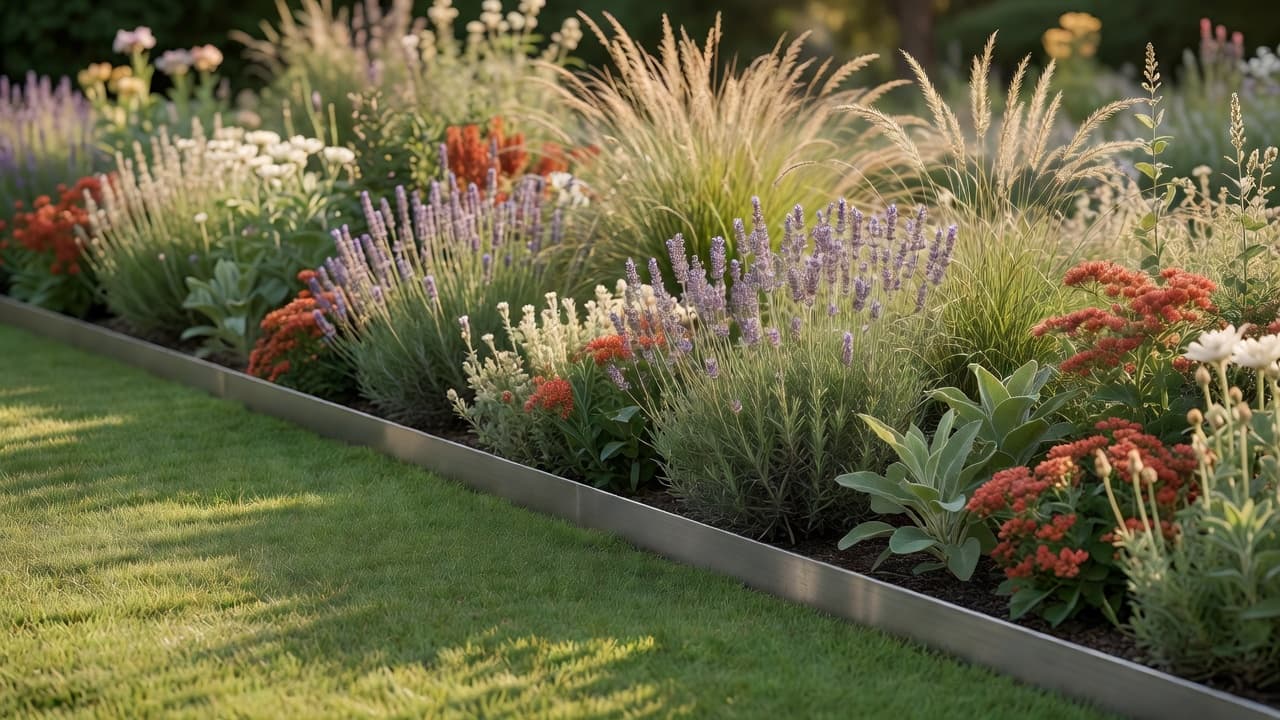
What is garden edging, in one sentence?
That is the whole function. The rest of this guide is about which material does that job best for your garden, your style and your budget — because the edging you choose changes the character of a garden almost as much as the planting does.
Why garden edging matters more than most people think
A border with beautiful planting and no edge still looks unfinished, because the eye reads the boundary before it reads the detail. A crisp, consistent edge line does three things at once: it holds soil and mulch out of the lawn, it stops grass roots creeping into the bed, and — most importantly for the overall design — it gives every curve and shape in the garden a confident outline. Professional gardens almost always have stronger, more deliberate edge lines than amateur ones; the planting is often similar, but the line is not.
This is also one of the fastest, cheapest changes you can make to an existing garden. Re-cutting a lawn edge with a half-moon edging tool costs nothing but an afternoon, and even a modest run of steel or timber edging is a small project compared with a full garden redesign.
The main garden edging materials, compared
Every material trades off cost, durability and how much curve it can hold. Here is how the main options in 2026 actually compare, installed cost per linear foot:
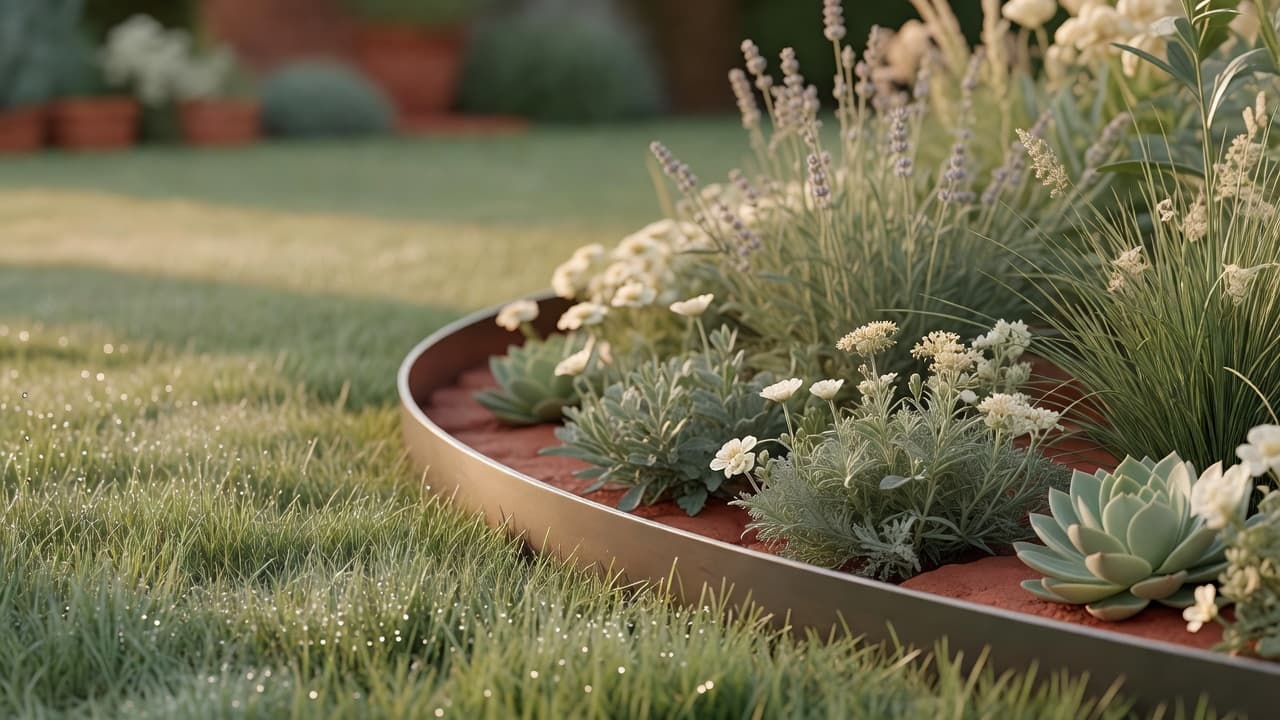
- Steel or aluminium edging — roughly $10–$28 per foot installed. Thin, nearly invisible from a distance, rustproof, and the only material that holds a genuinely fluid curve. The default choice for modern and minimalist gardens.
- Concrete edging or curbing — roughly $5–$18 per foot installed, more for poured decorative curbing. Permanent, very strong, and can be poured to almost any shape, but it is a real commitment — it is not coming back out easily.
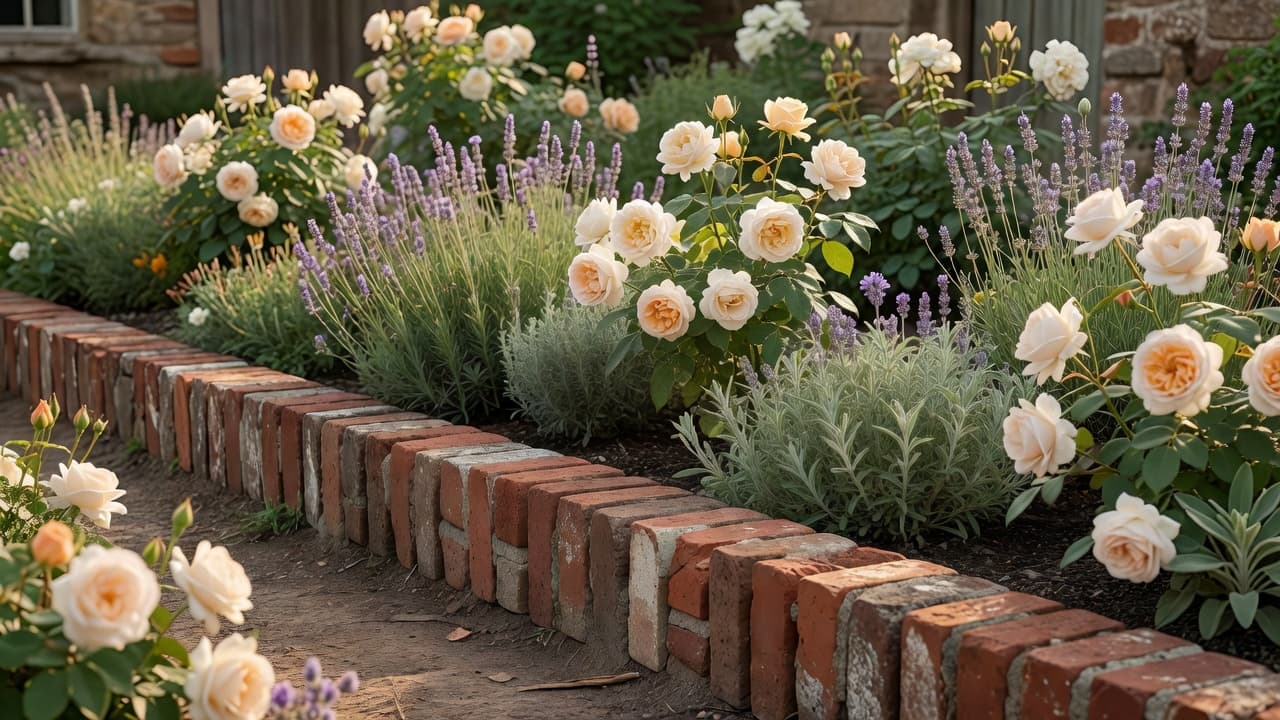
- Brick edging — bricks cost roughly $0.50–$1.50 each, about three per linear foot set on end in a "soldier course". Classic, textured, and the natural choice for cottage and traditional gardens.
- Timber edging — cedar or redwood costs roughly $2–$5 per foot, pressure-treated pine $1–$3 per foot. Warm and informal, pairs well with raised beds, but untreated softwood will eventually rot at soil level.
- Plastic or composite edging — roughly $5–$12 per foot installed, the cheapest option. Fine for a first attempt at a defined bed, but it flexes, can heave in frost and rarely reads as a "designed" edge close up.
- Natural edging (river rock, gravel trench, or a simple re-cut soil edge) — often the cheapest option of all where you already have material to hand, and the most forgiving to redo if you change the shape of the bed later.
For a wider look at loose stone as a surface rather than an edge, see our gravel garden design guide; for larger stones and boulders used as structure, see garden design with rocks.
Straight lines or curves: which suits your garden?
The shape of your edging line matters as much as the material. As a rule of thumb:
- Straight lines and right angles suit formal, modern and small urban gardens — they make a compact space feel ordered rather than cramped.
- Long, gentle curves suit cottage, wildlife and larger informal gardens — they slow the eye down and hide the far end of a garden, making it feel bigger.
- Repeated geometric shapes (circles, chamfered corners) work well in Japanese-inspired and minimalist schemes, where restraint matters more than variety.
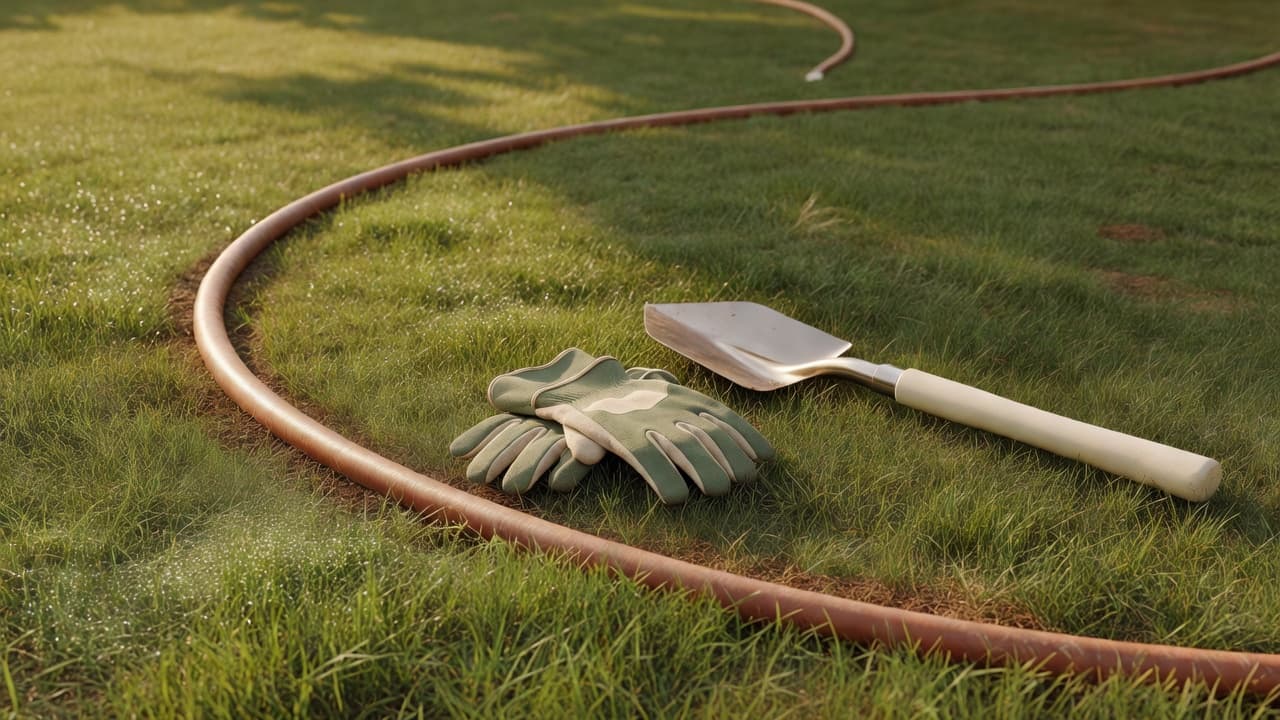
A simple, low-tech way to test a curved line before committing: lay a garden hose or length of rope along the proposed edge, walk away and look at it from an upstairs window or a phone photo. Adjust the hose, not the photo. Only cut the edge once the line looks right from a distance, not just standing over it.
Matching edging to garden style
Edging is a quiet but powerful style signal — it is one of the first things a design app or a human eye registers about a garden's character.
- Cottage gardens — brick set on end, or a soft, slightly informal edge that lets planting spill over it. See our cottage garden design guide for the wider planting palette.
- Modern and minimalist gardens — thin steel edging in long, clean lines, kept almost invisible so the planting and hardscaping do the talking.
- Mediterranean and gravel gardens — a low stone or steel edge containing a gravel surface, so the gravel does not migrate onto paths or lawn.
- Small gardens — a single consistent edging material used everywhere in the space reads as far more designed than mixing two or three; see our small garden design ideas for more ways to make a compact plot feel considered.
- Wildlife and native-planting gardens — a looser, natural edge (log roll, re-cut soil, or low stone) that does not compete with informal planting.
Lawn edging vs. border edging vs. raised bed edging
The job edging does changes slightly depending on what it separates:
- Lawn-to-border edging mostly needs to stop grass roots invading the bed and mulch spilling onto the lawn. A shallow steel or plastic strip, or a re-cut mowing edge with a 5–7.5 cm drop, does this well and is what the RHS recommends for lawn edges.
- Border-to-path edging needs to be firmer underfoot, since it takes occasional foot traffic — brick, stone or timber sleepers work better here than thin steel.
- Raised bed edging is really a low retaining wall: timber, brick or block, built to hold soil at a higher level than the surrounding ground. See our raised bed garden design ideas for layouts and material choices sized for vegetable beds.
How much does garden edging cost in 2026?
Across the United States in 2026, most homeowners pay roughly $3.50–$11.50 per linear foot installed for standard materials, rising to $10–$28 per foot for steel and up to $18–$20 per foot for poured concrete curbing. A modest 30 m (about 100 ft) run of steel edging around a border therefore typically lands somewhere between $1,000 and $2,800 installed, while the same run in basic plastic edging can be under $600 — DIY labour brings either figure down considerably.
Materials cost is only part of the decision. Cheaper edging that heaves in frost or gets strimmed through within two seasons often ends up costing more over time than a slightly pricier option installed once, properly, and left alone.
How to plan your garden edging before you dig
Edging is one of the cheapest garden changes to get wrong and redo, so it is worth planning the line before buying material.
- Decide the job first. Are you separating lawn from border, border from path, or building a raised bed? The answer narrows the material list immediately.
- Mark the line physically with a hose, rope or spray paint, and view it from as many angles as you can, including a photo from above if your garden has an upstairs window.
- Match the material to your garden style, not just your budget — a $6-per-foot material that suits the garden will always look better than a $3-per-foot material that fights it.
- Check the depth needed. Lawn edging usually needs 5–10 cm below ground to hold grass roots back; raised bed edging needs enough depth to resist the soil pressure behind it.
- Preview the finished look before you commit. If you are also changing the planting or the lawn shape at the same time, it helps to see the whole redesign — line, planting and materials together — rather than judging the edging in isolation. This is exactly the kind of decision an AI garden design app like FlorAI is built for: upload a photo of the space and see a finished version, edging included, before any material is bought.
- Install in short test sections first for anything permanent like concrete or brick, so a change of heart costs a metre of material rather than the whole garden.
If the redesign involves more than edging — a full replanting, new paths or a change of lawn shape — our step-by-step guide to planning a garden redesign covers the wider process.
Frequently asked questions about garden edging
What is the best material for garden edging?
There is no single best material — it depends on the job. Steel suits modern gardens and curves, brick suits cottage and traditional gardens, and timber suits raised beds and informal borders. The Gardeners' World lawn edging guide has a good side-by-side of finishes if you want to see them photographed.
How much does garden edging cost per foot?
In 2026, most installed garden edging costs roughly $3.50–$11.50 per linear foot for standard materials like timber or plastic, $10–$28 per foot for steel, and up to $18–$20 per foot for poured concrete curbing. Brick runs a little lower, since bricks themselves cost only $0.50–$1.50 each.
Do I need edging around every border?
No. A small or informal garden can look fine with a simply re-cut soil edge maintained with an edging tool, at no material cost at all. Permanent edging earns its cost mainly where a bed meets a lawn that gets mown often, or where a bed meets a path that gets walked on.
What is the easiest garden edging to install yourself?
Plastic or composite strip edging is the easiest DIY option — it usually just pushes into a slit cut with a spade. Steel edging is only slightly harder and holds a far better line long-term, which is why it is worth the extra effort for a visible curve.
Can garden edging stop weeds and grass spreading?
A properly installed edge, set deep enough to interrupt grass roots (usually 5–10 cm below soil level), significantly slows grass creeping into a border. It will not stop deep-rooted perennial weeds on its own, but it removes the single most common source of border weeds — the lawn itself.
How do I choose an edging shape for a curved lawn?
Mark the proposed curve with a hose or rope before cutting anything, and check it from a distance or from above — curves that look fine standing over them often look uneven from the house. Steel or a flexible composite edge holds a smooth curve far better than rigid materials like brick or straight timber lengths.
Last updated: September 2026. Written by the FlorAI garden team.