
Guide · 2026
AI Plant Selection for Your Climate Zone, Explained
AI can genuinely help choose plants suited to where you live, but the recommendation is only as good as the climate information behind it. This guide explains what a hardiness zone actually measures, how AI plant selection works in practice, and the checks worth doing before you plant something the AI suggested.
AI Garden Design GuidesPublished August 22, 2026Updated August 22, 20268 min read
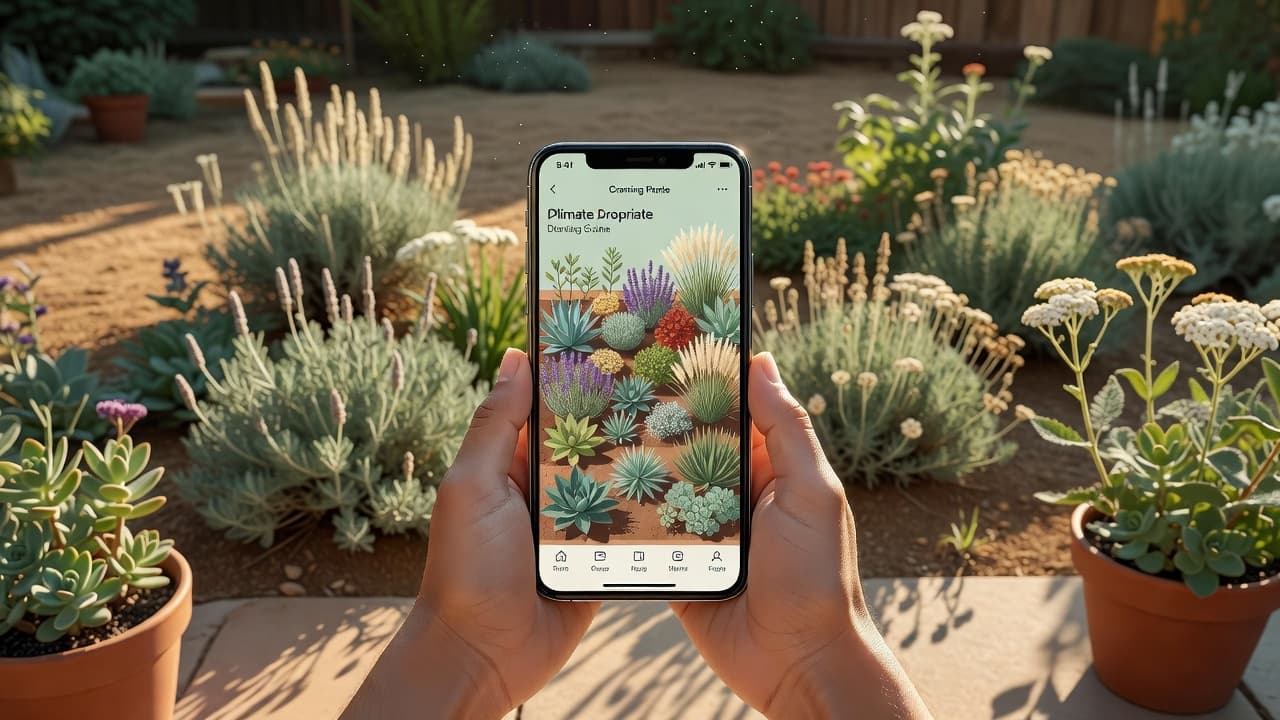
The one-line answer
The distinction matters: a hardiness zone tells you about winter cold, and almost nothing else. Soil, rainfall, humidity and summer heat all matter just as much and are not captured by the zone number alone.
What a hardiness zone actually measures
The USDA Plant Hardiness Zone Map divides North America into zones based on the average annual minimum winter temperature — nothing more. Zone 5 means winters typically do not drop below a certain low; Zone 9 means they rarely get that cold at all.
That is genuinely useful information, but it is a single axis. It says nothing about summer heat, humidity, rainfall, soil type or how much shade a spot gets — all of which decide whether a plant actually thrives, not just survives the winter.
How AI plant selection works in practice
When an AI tool recommends plants for a design, it typically works from your stated or inferred location, estimates a likely hardiness zone, and filters or biases its suggestions toward species that tolerate that zone. FlorAI does this as part of generating a garden design, and its Plant Identifier separately returns a likely hardiness zone for any plant you photograph.
- Location-aware suggestions — planting chosen with your general climate in mind.
- A likely hardiness zone — returned alongside plant identification, as a starting reference.
- Style-appropriate planting — species chosen to suit both climate and the design style selected.
That is a genuinely useful filter, especially compared with choosing plants purely by appearance. It is not, and should not be treated as, a substitute for checking a real hardiness map or a local nursery.
Where AI plant selection can go wrong
Being direct about the limits protects you from an expensive mistake. AI plant recommendations can be wrong or imprecise in a few specific ways:
- Microclimates. A south-facing wall, a frost pocket at the bottom of a slope, or an exposed hilltop can shift the effective zone of a specific spot by one or more full zones.
- Summer heat and humidity. Two locations in the same winter hardiness zone can have completely different summers — a plant that thrives in one can struggle badly in the other.
- Soil and drainage. No zone map accounts for heavy clay versus free-draining sand, and this often matters more than winter cold.
- Estimated, not confirmed, location. If the app is inferring your zone rather than using a precisely confirmed postcode, treat the estimate as approximate.
None of this makes AI plant selection useless — it makes it a first filter rather than a final answer, which is exactly how it is meant to be used.
How to double-check a suggestion before you buy
- Confirm your actual zone on the USDA hardiness zone map using your specific postcode, not a city-level guess.
- Check the plant's full profile, not just its zone range — mature size, sun requirement, soil preference and water need, on a reference like the RHS plant finder.
- Account for your specific spot — a south wall, a low frost pocket, or heavy shade can all shift what actually thrives there.
- Ask a local nursery before buying anything expensive or structural to the design — they know the microclimate quirks a national database cannot.
That combination — an AI-generated starting point, checked against a real reference and a local expert — is a genuinely efficient way to plant with confidence, without spending an evening researching every species from scratch.
Where this fits into a full redesign
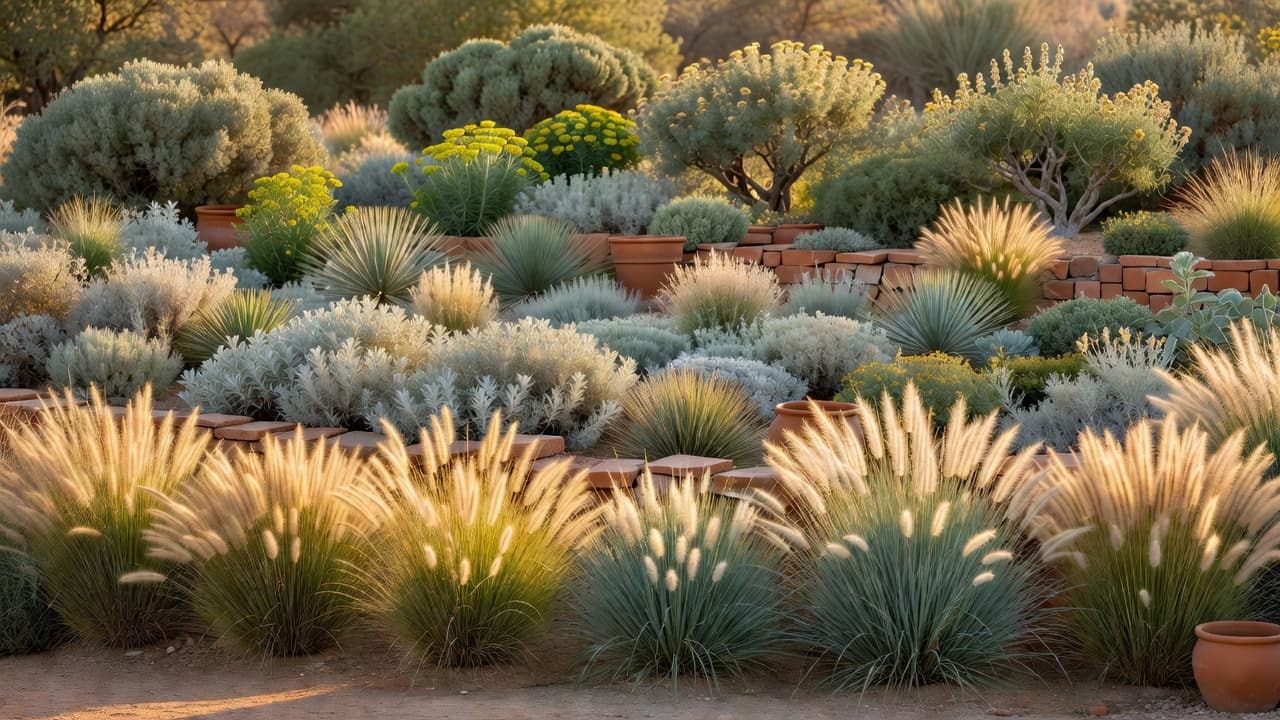
Climate-appropriate planting is one part of a larger design decision, alongside layout, hard landscaping and style. FlorAI's AI garden design generates a full scheme with all of that considered together — see our AI garden planner page for the layout side, or the drought-tolerant and xeriscape design guide if water-wise planting is the priority in your climate.
Frequently asked questions
Can AI reliably tell me what plants suit my climate?
It gives a useful starting point based on a likely hardiness zone and your general location, but it should be checked against a real hardiness map and local knowledge for anything important.
What is a hardiness zone, exactly?
It measures the average annual minimum winter temperature for a region — a single, useful signal about winter cold, but not a complete picture of a site's growing conditions.
Why might an AI plant suggestion be wrong for my exact spot?
Microclimates — a sheltered south wall, a frost pocket, heavy shade — can shift the effective conditions of a specific spot well beyond what a general zone estimate captures.
Does FlorAI tell me the hardiness zone of a plant?
Yes — the Plant Identifier returns a likely hardiness zone alongside common name, scientific name and care guidance from a photo.
Should I still ask a nursery before planting?
Yes, especially for anything expensive or central to the design. A local nursery understands microclimate quirks that no database, AI or otherwise, fully captures.
Does climate-appropriate planting mean the garden will look boring?
No — climate suitability narrows the options to what will genuinely thrive, but there is still real variety within that. FlorAI generates full planting schemes for a chosen style within those constraints.
Last updated: August 2026. Written by the FlorAI garden team.